
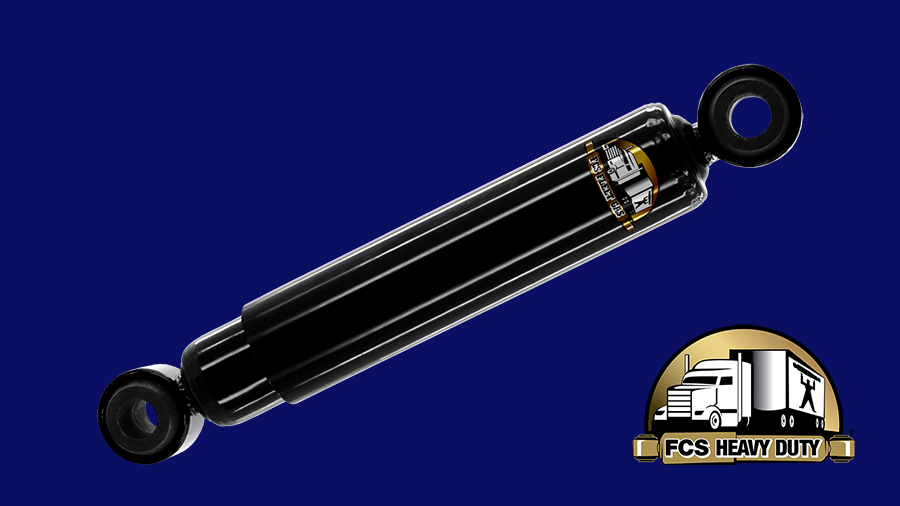
A durable, properly maintained suspension system is crucial for any heavy-duty truck. These systems don’t just deliver a smoother and more comfortable ride — they help maintain stability, protect cargo, improve braking performance, and keep drivers in control during emergency maneuvers. When suspension components wear out or fail, the results can be expensive and dangerous: increased stopping distances, accelerated tire wear, delayed delivery timelines, and higher risk of on-road accidents.
Routine shock absorber and suspension inspection is essential for anyone operating an 18-wheeler or commercial truck. Knowing the early warning signs allows you to resolve issues before they impact safety and uptime.
Below are 5 of the most common indicators that your heavy-duty shock absorbers may be due for service or replacement:
1. Your Truck Veers to One Side (Poor Steering Response)
A truck that drifts or pulls to the left or right — even on a straight road — often signals a suspension or steering issue. Before assuming the shocks are at fault, start with the basics:
- Check tire pressure
- Verify proper wheel alignment
- Inspect for uneven tread wear
If these are ruled out, the next suspects are worn shocks, bushings, tie rods, or control arms that can prevent wheels from maintaining proper road contact. Reduced damping can also create delayed steering response, making the truck feel like it’s resisting your input — a major safety concern at highway speeds.
2. Excessive Bouncing or Bumpy Ride
Shock absorbers are responsible for controlling the oscillation of the truck’s springs. When they weaken or fail, the suspension can no longer stabilize the vehicle — especially with changing road surfaces or heavy payloads.
Common symptoms include:
- The cab continues bouncing after hitting a bump
- Increased body roll during turns
- Loss of traction on uneven pavement
- Reduced braking efficiency due to nose-diving
A rough ride affects driver fatigue as much as vehicle performance. Ignoring this issue can accelerate component wear throughout the entire chassis.
3. Truck Leaning When Parked, Turning, or Changing Lanes
If one corner of the truck sits lower than the others — even while parked — it’s a clear sign the suspension isn’t distributing weight properly.
What to look for:
- Rear-end sagging under normal load
- Excessive sway when switching lanes
- Audible creaking or popping noises
A damaged shock absorber may cause the leaf springs or air ride components to over-compress. Left unchecked, this can lead to a permanent drop in ride height and more severe structural damage.

4. Oily Shock Absorbers or Leaf Springs
A simple visual inspection can uncover one of the most common shock failures:
- fluid leakage.
If shocks appear greasy, wet, or dirty with trapped dust buildup, the internal oil seal may be compromised. Without proper oil pressure, shocks lose the ability to dampen movement rapidly.
Common causes include:
- Harsh road conditions
- Corrosion from road salt and debris
- Minor collisions or curb impacts
Leaking shocks can fail completely without warning, putting braking control and stability at risk.
5. Uneven Tire Tread Wear
Tires should wear down gradually and consistently. If you notice:
- Cupping or scalloping along the tread
- One tire significantly more worn than others
- Rapid wear even after alignment
…your suspension may not be maintaining proper tire-to-road contact. Misalignment, poor damping, and braking system imbalance are frequently linked to worn shocks.
For reference:
NHTSA recommends tire replacement when tread depth reaches 2/32″, measuring routinely helps detect suspension problems early.

Final Takeaways: Protect Your Suspensions — Protect Your Uptime!
Shock absorbers are a wear-and-tear component — replacing them before they fail can:
- Improve stability, braking, and steering response
- Reduce tire and drivetrain wear
- Optimize fuel efficiency
- Protect cargo and minimize downtime
- Increase driver comfort and safety