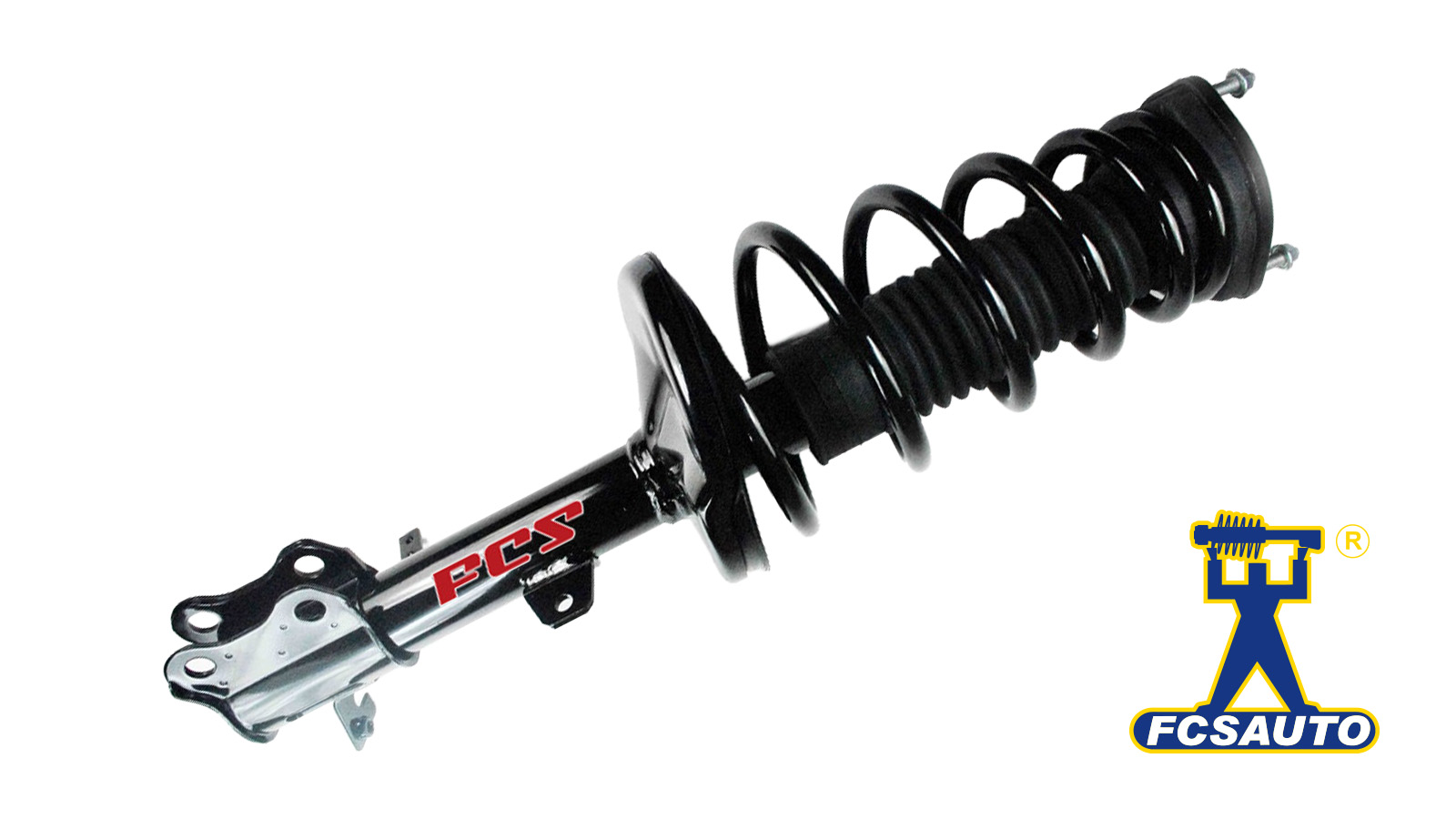
When Suspension Meets Sensors: Why Complete Strut Assemblies Matter in the ADAS Era
Suspension Service Has Changed
Modern vehicles rely on ADAS lane-keeping assist, adaptive cruise control, and automatic emergency braking. These systems depend on precise vehicle geometry and sensor calibration. Suspension service is no longer an isolated repair; it plays a direct role in ensuring ADAS systems operate as intended.
The Key Link: Vehicle Geometry
ADAS sensors (cameras, radar, steering inputs) are calibrated to factory-defined parameters. Even a few millimeters of ride height variation can alter:
- Camera viewing angle and radar targeting zone
- Object detection distance and lane-keeping accuracy
Suspension components directly influence this geometry — and therefore, ADAS performance.
Where Complete Strut Assemblies Fit In
A complete strut assembly directly influences several critical geometric factors:
- Ride height, determined by coil spring characteristics
- Damping behavior, which affects pitch under braking and acceleration
- Alignment angles, shaped by strut positioning and manufacturing tolerances
This is why strut replacement is typically followed by a wheel alignment and, in many cases, ADAS recalibration.
The Real Risk: Deviation from OE Specs
The risk is not replacement itself; it’s deviation from OE specifications. Common sources include different spring rates, inconsistent damping, and loose fitment tolerances. These can cause lane-keeping instability and sensor drift with no warning light or fault code.
Critical Step: ADAS Recalibration
Recalibration is required whenever suspension components are replaced, ride height changes, or a wheel alignment is performed:
- Static calibration: in-shop with fixed target boards
- Dynamic calibration: under controlled driving conditions
Skipping recalibration creates safety risks that produce no warning indicators. Quality components support the system; calibration ensures it works.
Best Practices for Technicians

Measure ride height before and after installation

Perform a full wheel alignment after strut replacement

Verify ADAS recalibration requirements for the specific vehicle
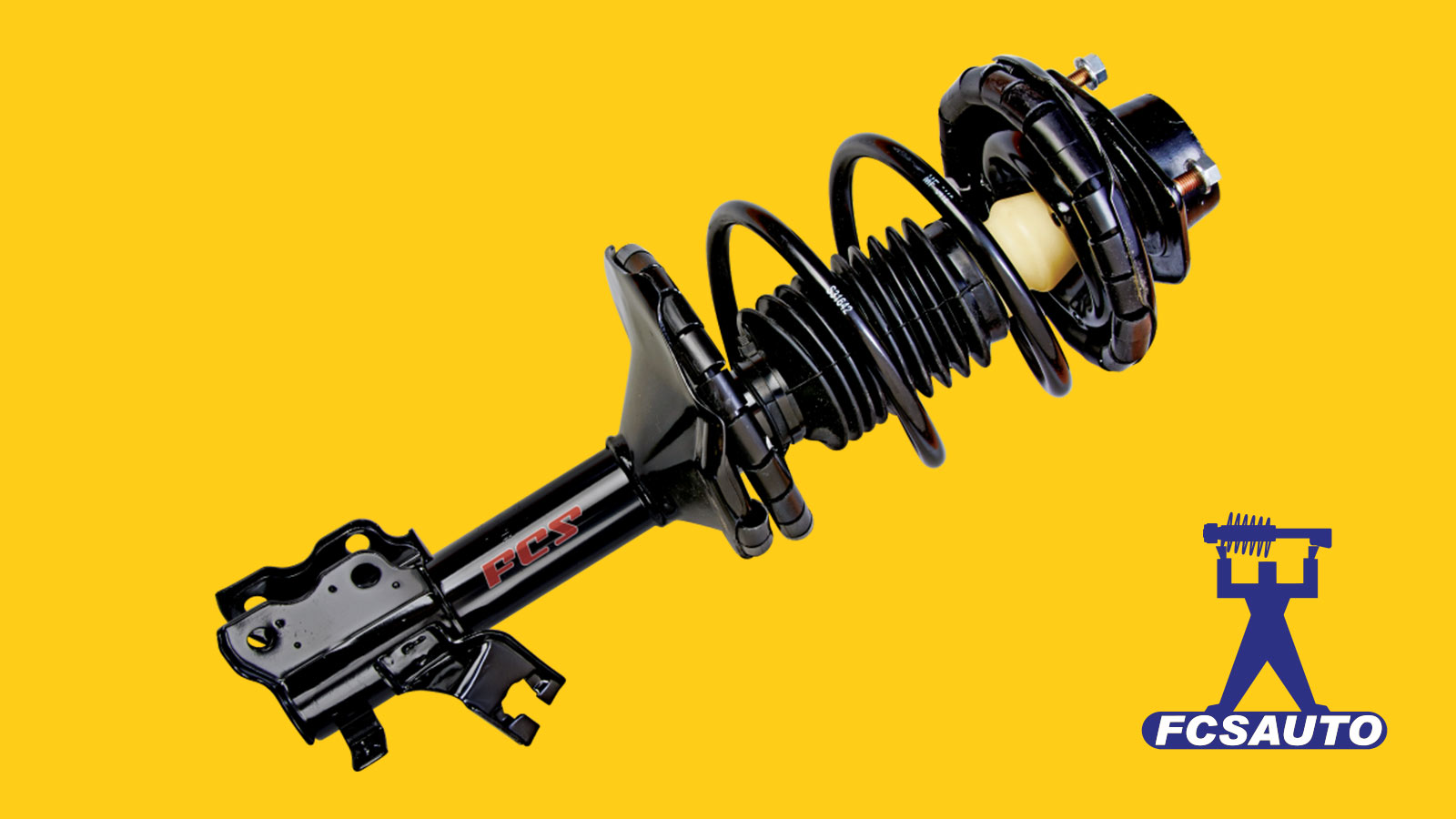
Use OE-consistent components such as FCS AUTO Complete Strut Assemblies